
It has been a while since I’ve posted new original content here…
I am happy to announce Nostalgia Bandit — a new boutique auction house I built from the ground up, structured around the principles this blog has always argued for: research-driven authentication, controlled terminology calibrated to actual evidence, and honest disclosure of gaps where they exist. The inaugural auction is open now and closes Saturday, June 13, 2026, at 10:00 AM Pacific.
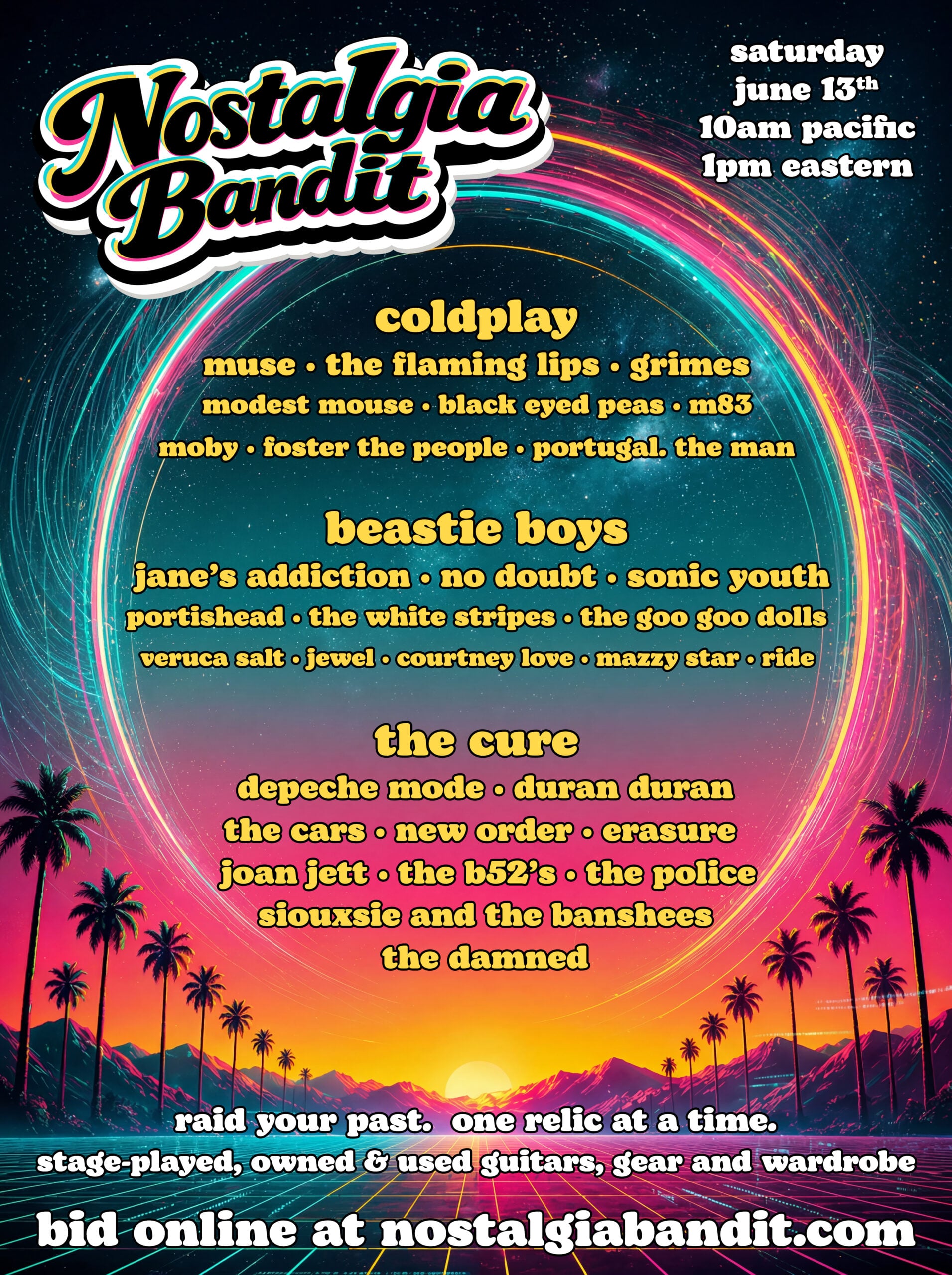
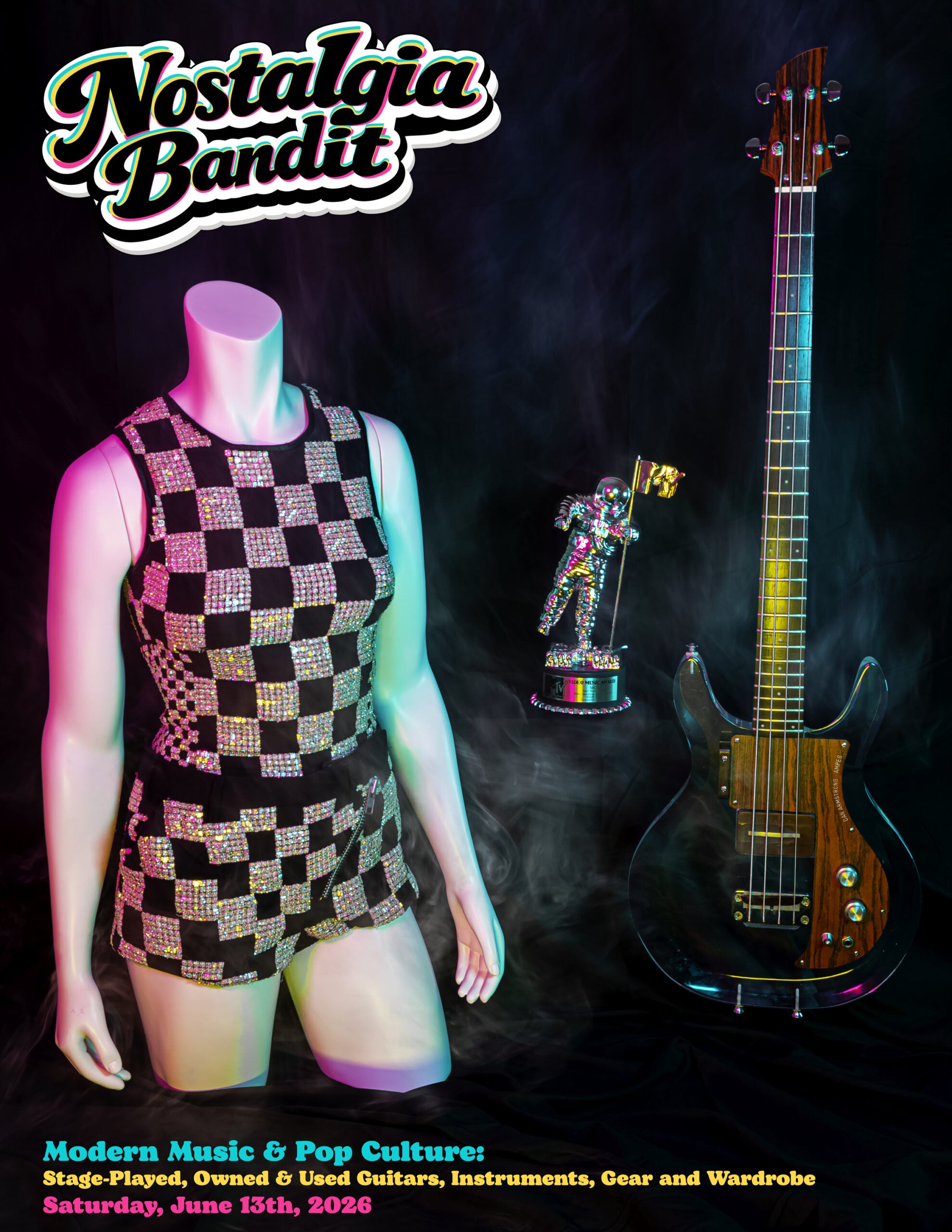
The first sale is 96 lots of authenticated music memorabilia from artists who shaped Gen X, Millennials, and contemporary culture — Coldplay, the Beastie Boys, the Cure, Muse, Jane’s Addiction, No Doubt, Sonic Youth, the White Stripes, the Goo Goo Dolls, Steve Stevens, the Cars, Siouxsie and the Banshees, Joan Jett, the Flaming Lips, Depeche Mode, Duran Duran, Grimes, the Black Eyed Peas, the B-52’s, Portishead, Ride, Mazzy Star, the Damned, and more — plus an MTV Video Music Award (Moonman). Stage-played instruments, music video-used wardrobe, tour-used gear, and one-of-one artifacts with documented provenance.
I know this audience is primarily Hollywood-focused, and music is not the lane most OPB readers came here for. So I want to be specific about what comes next: future Nostalgia Bandit auctions will draw from the broader universe of pop culture — including original props, costumes, and production-used material from film and television. That work has always been what I came up doing, and it remains a category I have spent the last twenty-four years collecting, authenticating, and writing about. Music is the inaugural focus because it is the category in which the institutional infrastructure is most generationally lopsided and the work most needed. Hollywood will be in scope as future auctions develop.
A few things about Nostalgia Bandit’s approach that anyone who has read OPB will recognize immediately:
Every lot is researched and photo-matched where possible. The catalog reads like a research document, not a marketing piece. Where evidence exists for a stronger attribution, that attribution is made plainly. Where it does not, the language is calibrated downward and the gaps are disclosed. Specific terminology — screen-matched, photo-matched, stage-played, recording-used, attributed to — is applied deliberately, with definitions consistent with the methodology I have argued for here for nearly two decades.
Every winning bidder receives a Nostalgia Bandit Letter of Provenance. This is not a one-page generic COA. It is a multi-page document on archival letterhead, hand-embossed seal, hand-signed in four colors, reproducing the complete catalog description in full — designed to travel with the artifact through every owner who comes after, so the context never separates from the object. We don’t erase history. We add to it.
You deal with me directly, end to end. Not a department, not a rotating specialist. The same person who researched and wrote the catalog entry is the person who answers your questions about the lot, signs your Letter of Provenance, and oversees your shipping. If you have spent any time around me through OPB, Prop Talk, the Movie Prop Discussion Forum, or my work at Julien’s, you already know what that means in practice.
A couple of lots I would flag for OPB readers specifically — pieces that may register more vividly to this audience than to a general music collector:
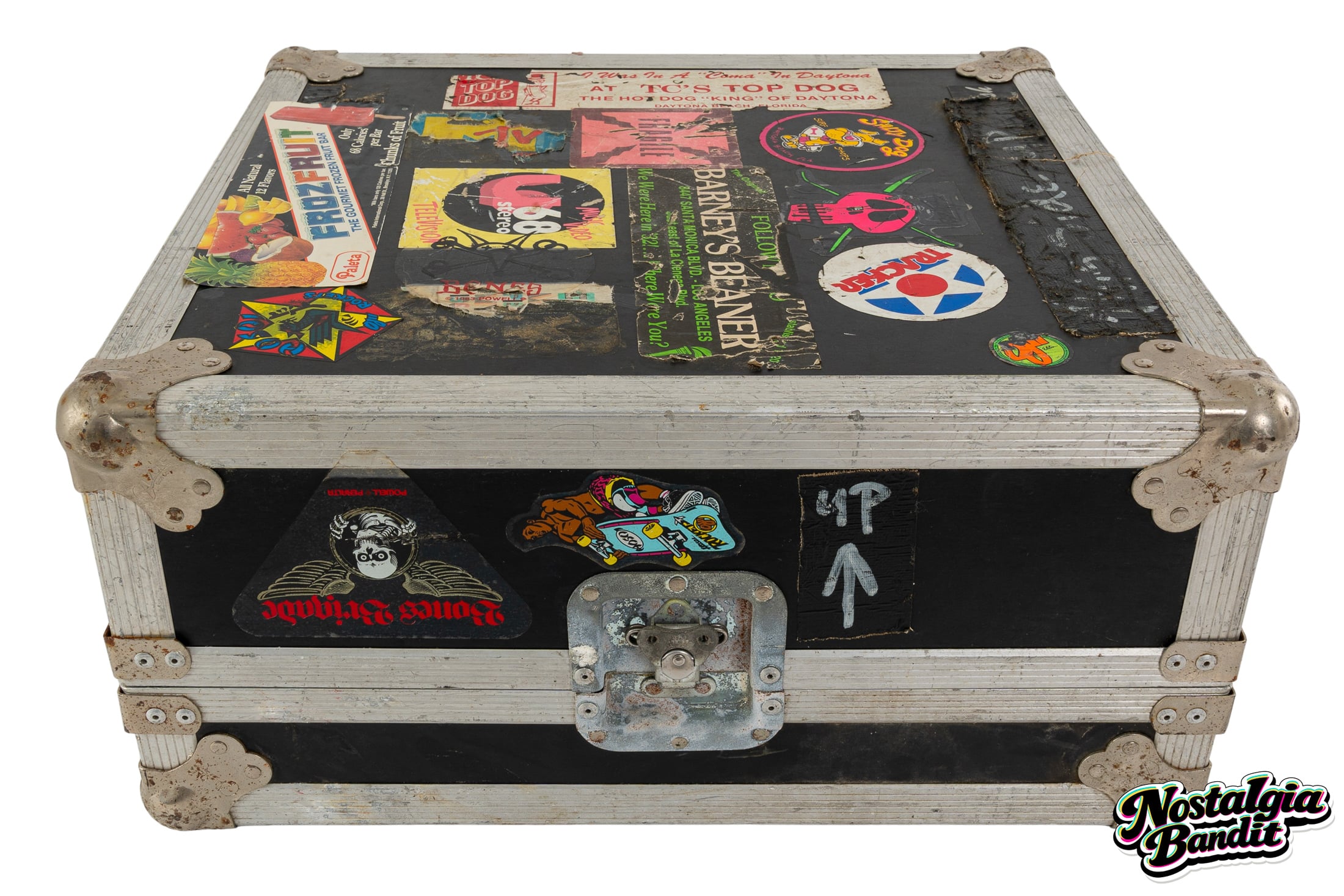
The Beastie Boys Licensed to Ill-era stage-used turntable case (1986–1987). A working tour case with the kind of documented production-use, period-correct wear patterns, and attributed graffiti tagging that OPB readers think about every time they evaluate a film prop. Screen-matched to Soul Train (1987) and photo-matched to The Joan Rivers Show (1987). Cey Adams and Dave “Shadi” Scilken graffiti tags, both independently authenticated.
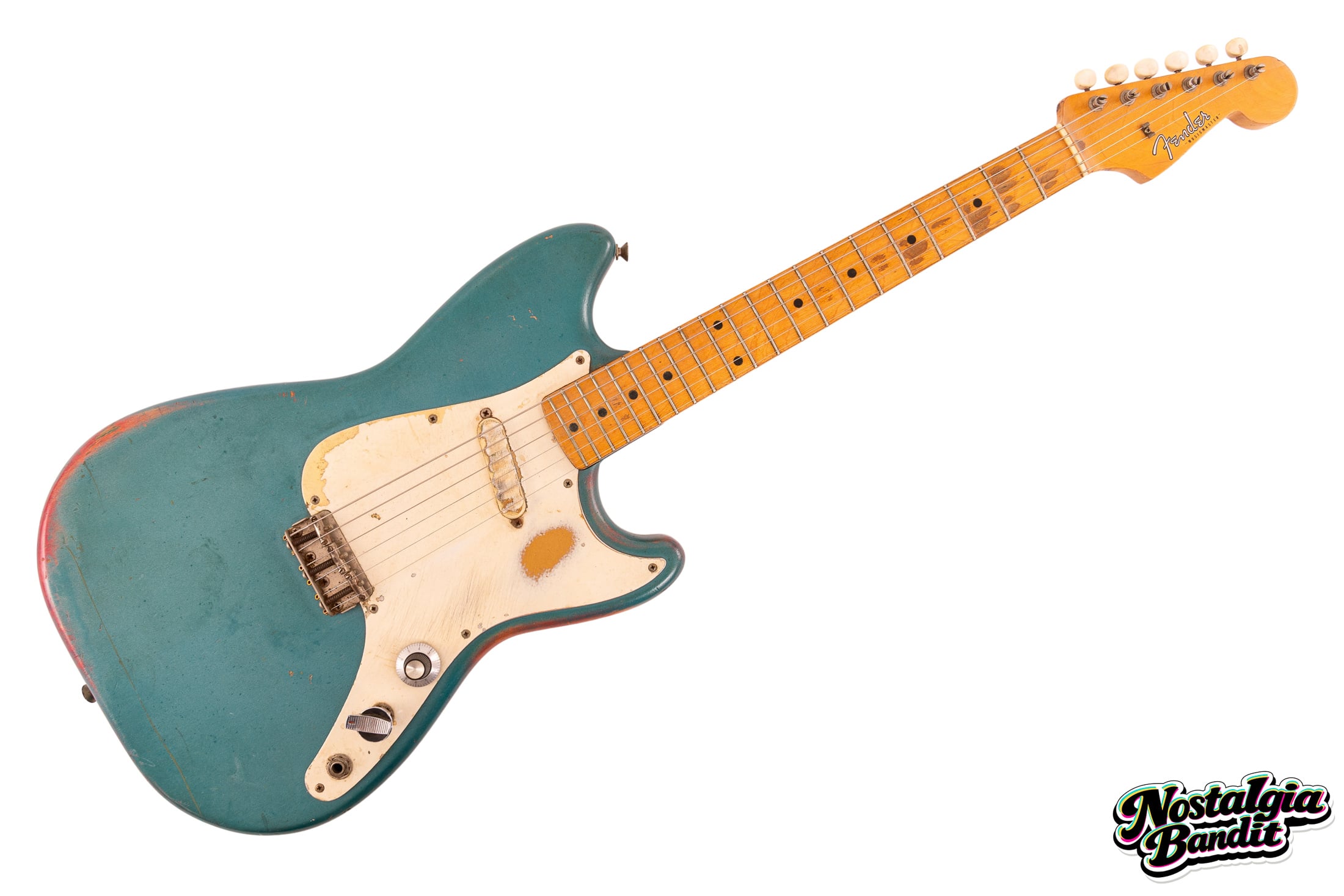
The Sonic Youth Fender Musicmaster (1992) — Lee Ranaldo’s stage-played, music video-used, photo-matched and screen-matched guitar from the band’s “100%” video. The video itself is a cultural artifact of the early-90s alternative rock moment. The instrument is the documented physical object from that production.
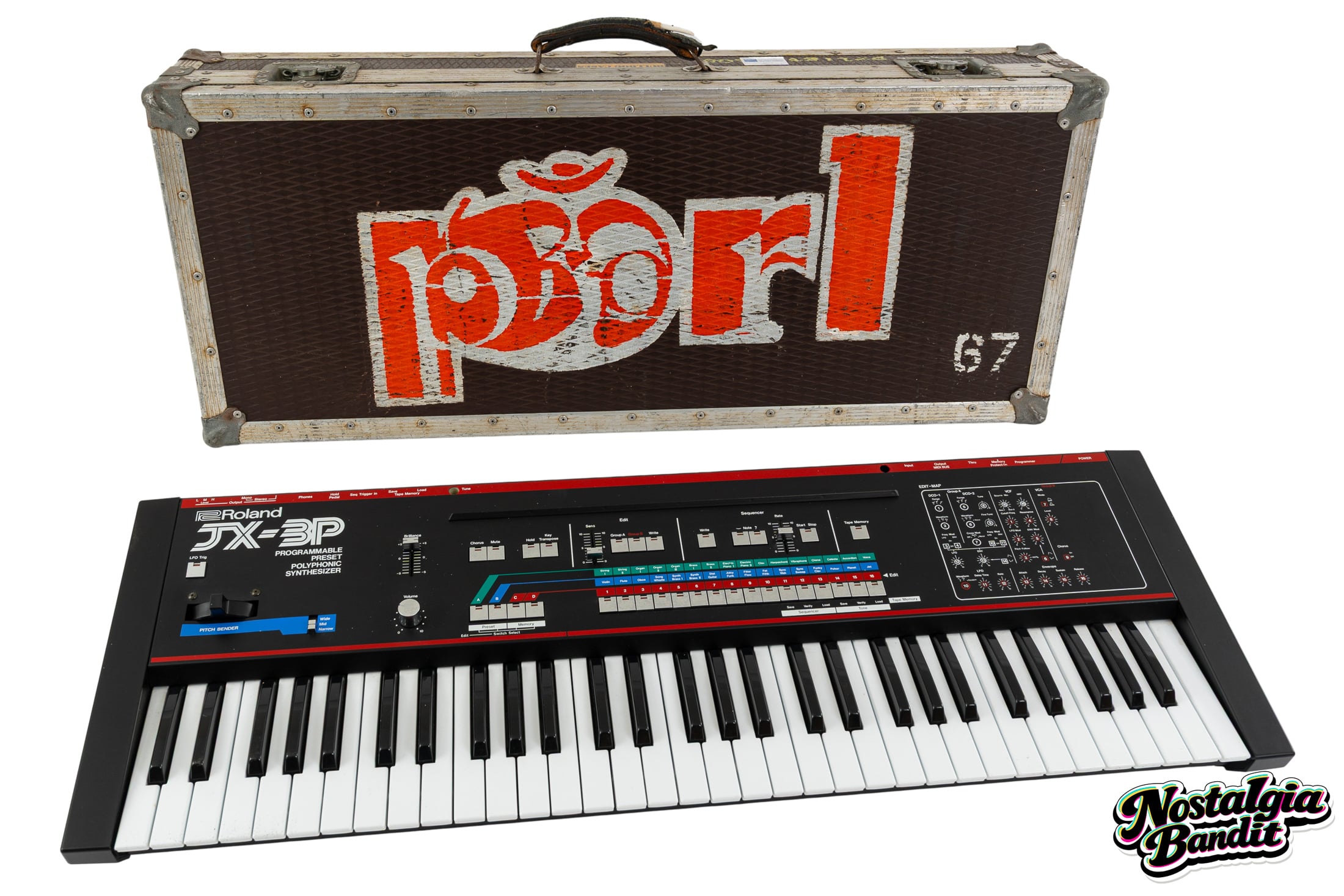
The Cure Roland JX-3P synthesizer (1983–1987) — Porl Thompson’s stage-played and studio-used keyboard from one of the band’s most consequential creative periods.
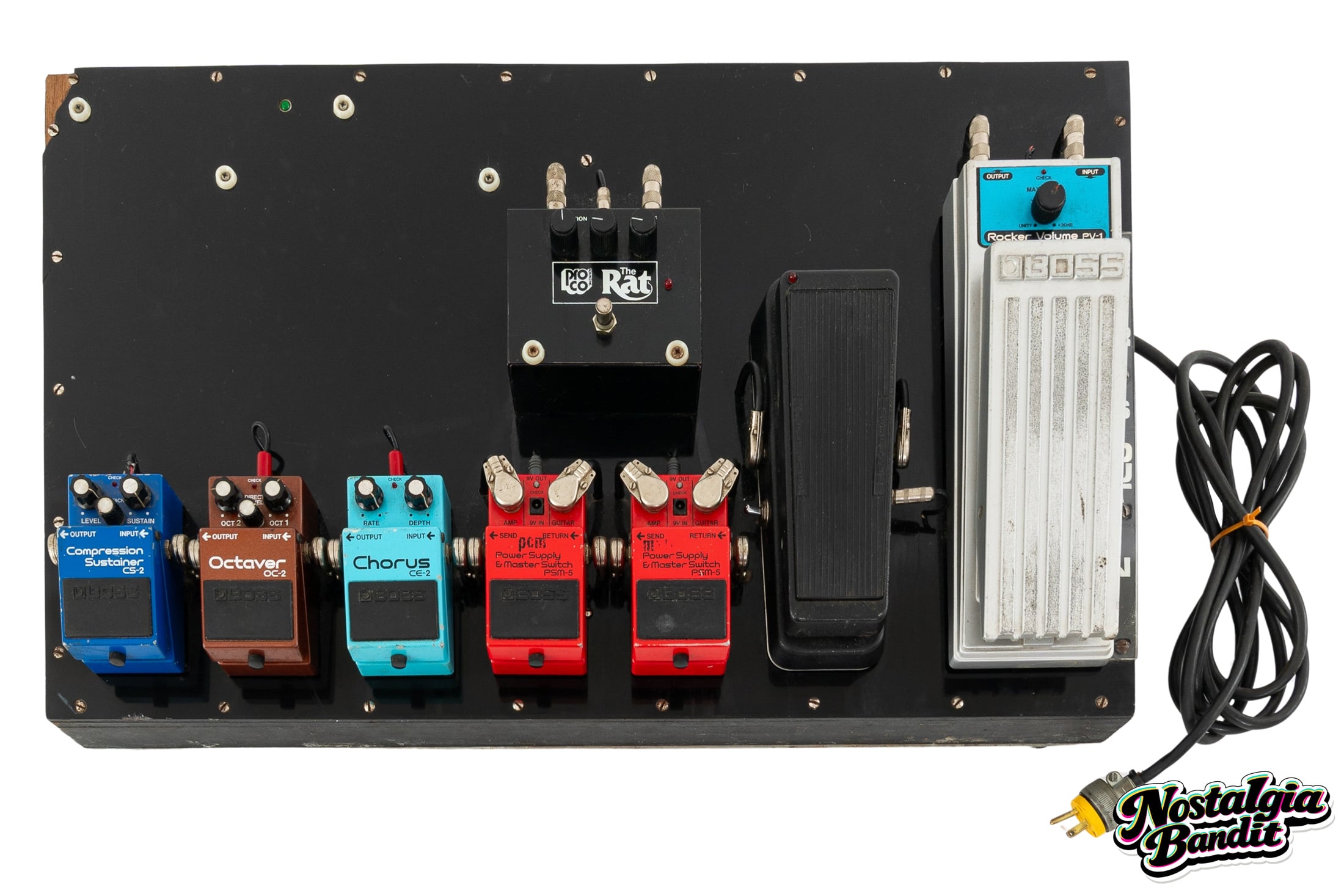
The Steve Stevens Rebel Yell pedalboard (1983–1987). Custom-built by Stevens, used to record the album at Electric Lady Studios, photo-matched to Saturday Night Live (1984) and screen-matched to the MTV New Year’s Rock N’ Roll Ball (1983). Signed LOA from Stevens. Idol and Stevens were inducted into the Rock and Roll Hall of Fame Class of 2026 in April.
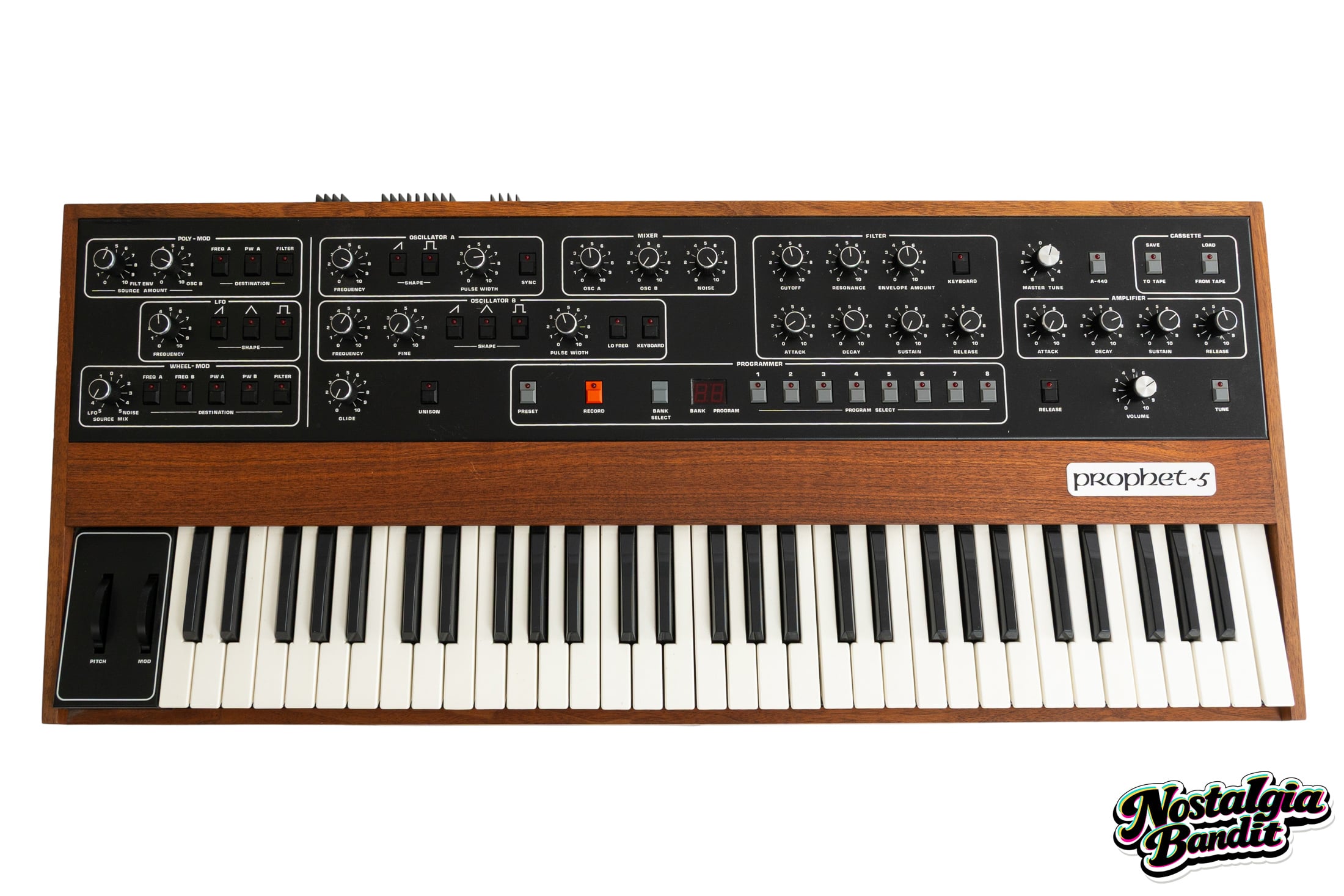
The Cars Sequential Circuits Prophet-5 synthesizer (1979–1984) — Greg Hawkes’ stage-played and studio-used keyboard from the band’s most active and culturally definitive period. The Prophet-5 was one of the most consequential synthesizers in popular music; this is one tied directly to the era and artist that brought it into mainstream rock production.
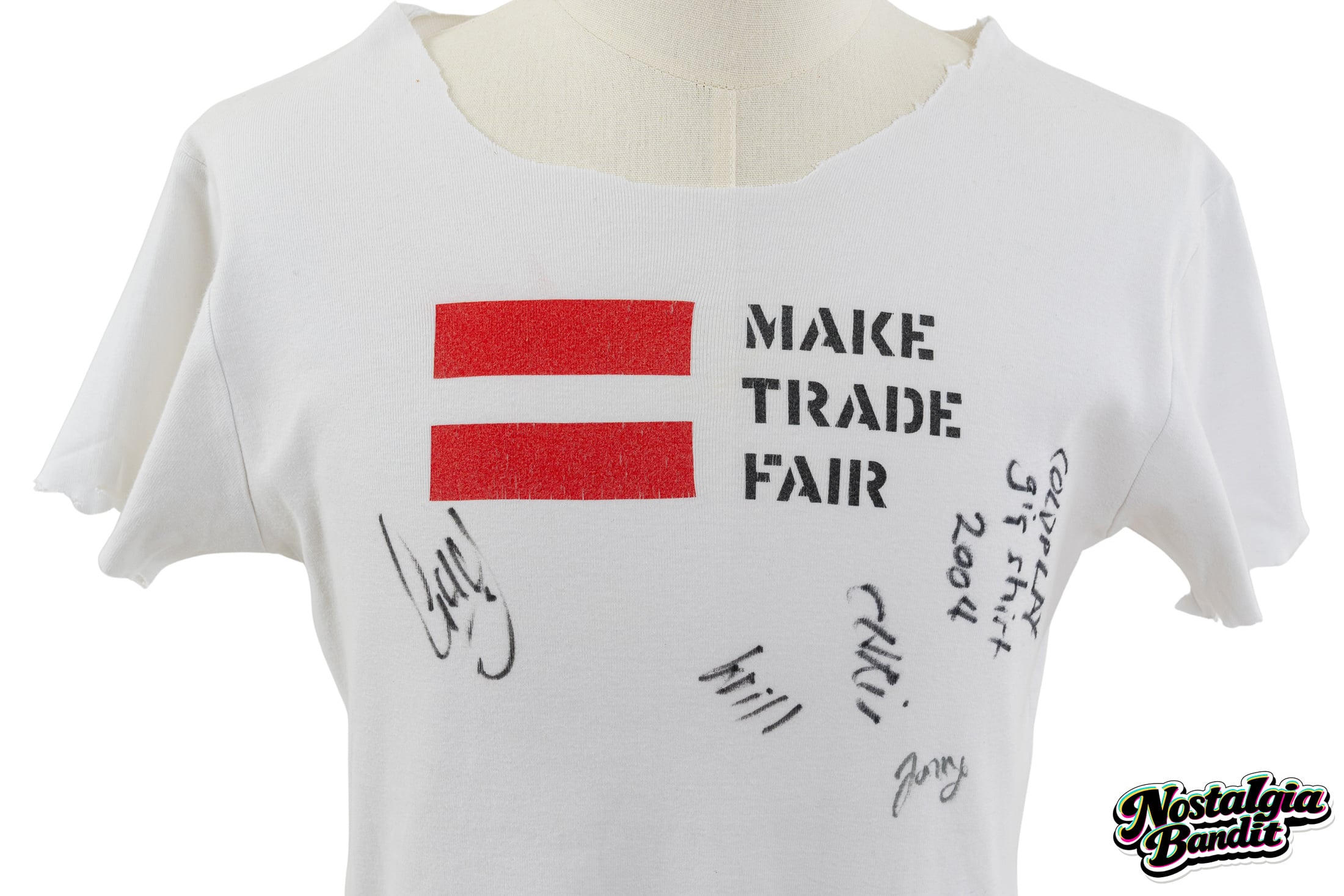
The Coldplay Chris Martin “Make Trade Fair” shirt (2002–2004) — stage-worn during the A Rush of Blood to the Head tour, hand-customized by Martin (neckline, sleeves, and hem cut for stage movement), and band-signed in black marker by all four members. Inscribed in Martin’s hand: “COLDPLAY gig shirt 2004.” A wardrobe object with documented use, customization, and signed authentication.
The full catalog — including a 364-page perfect-bound print edition, a free PDF download, and native iOS and Android bidding apps — is available at nostalgiabandit.com. Bidding is open now via web, iOS, Android, iCollector direct, and nostalgiabandit.com. All channels synchronize in real time.
If anyone reading this has questions, comments, or wants to discuss a specific lot before bidding, hit reply or email me directly at [email protected]. The voice is the same one you remember.
Onward.
— Jason DeBord